Skip tracing has become one of the most essential techniques for businesses that need to locate individuals who are difficult to find. Whether you work in debt collection, real estate, legal services, background verification, or asset recovery, understanding skip tracing can dramatically improve your accuracy and efficiency. In this blog, we will explain what skip tracing is, how it works, why businesses use it, and which SEO-rich keywords matter for ranking.
What Is Skip Tracing?
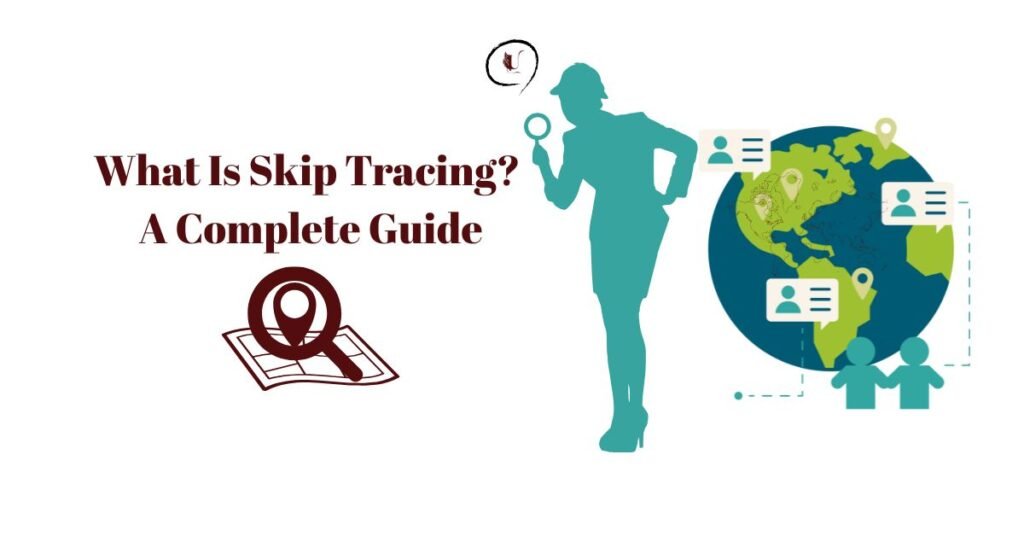
Skip tracing is the process of locating a person who has “skipped” town, changed contact details, or become unresponsive. The term “skip” refers to someone who cannot be reached through normal communication channels, and “tracing” means tracking them down through advanced data research.
Skip tracing usually involves:
- Searching public and private databases
- Analyzing digital footprints
- Verifying identity and contact information
- Investigating past addresses and connections
It is primarily used by:
- Debt collectors
- Real estate investors
- Legal professionals
- Process servers
- Private investigators
- Employers (for background checks)
- Fraud prevention teams
Why Is Skip Tracing Important?

In a digital world, people often change phone numbers, relocate frequently, or deliberately avoid communication. Skip tracing helps businesses and investigators find accurate and updated information in real-time.
Key reasons skip tracing is important:
- Recover unpaid debts
- Serve legal notices
- Locate tenants for real estate deals
- Verify identity and background
- Prevent fraud or identity misuse
- Support investigations
How Skip Tracing Works
Skip tracing is a structured research process. Professionals follow these steps:
1. Collect Basic Information
Gather all available details:
- Name
- Phone number
- Address
- National ID or social data
- Employment history
2. Search Public & Private Databases
Skip tracers use:
- Credit reports
- Court records
- Utility bills
- Social media
- Phone directories
- Real estate and voter records
- Financial databases
3. Analyze Online Activity
Digital footprints often reveal:
- Last active IP
- Username overlaps
- Frequent locations
- Hidden profiles
4. Verify & Cross-check
Data is compared across multiple systems to filter out:
- Old records
- False information
- Duplicate identities
5. Locate the Person
A final report provides verified:
- Current address
- Active phone numbers
- Workplace (if allowed legally)
Types of Skip Tracing
There are three major types:
1. Basic Skip Tracing
Used for quick searches like updated phone numbers or emails.
2. Advanced Skip Tracing
Involves deeper research, cross-platform investigation, and database layering.
3. Automated Skip Tracing
AI-powered tools pull data from thousands of records instantly, ideal for bulk real-estate leads or debt recovery.
Industries That Use Skip Tracing
Skip tracing is widely used across multiple sectors:
Real Estate
- Locating property owners
- Finding motivated sellers
- Contacting absentee landlords
Debt Collection
- Tracking down customers with unpaid loans
- Verifying active contact numbers
Legal Services
- Serving court notices
- Locating witnesses
Private Investigation
- Missing persons
- Fraud detection
Skip Tracing for Business Intelligence
Many companies use skip tracing tools for competitive insights and identity verification.
Benefits of Skip Tracing
Skip tracing offers a long list of advantages:
✔ Accurate and Updated Information
✔ Faster Debt Recovery
✔ Enhanced Legal Compliance
✔ Better Real Estate Lead Conversion
✔ Reduced Fraud and Identity Issues
✔ Improved Business Efficiency
Best Skip Tracing Tools
Here are commonly used tools globally:
Each tool offers a combination of data mining, identity verification, and leads management.
Final Thoughts
Skip tracing is more than just finding someone; it’s about using smart research, reliable data, and modern tools to locate individuals efficiently and ethically. Whether you are in real estate, collections, or legal services, skip tracing can save time, reduce losses, and improve your overall operational accuracy.